

Public
Understanding the psychological factors that drive people to gamble in casinos
Understanding the psychological factors that drive people to gamble in casinos
The Thrill of Uncertainty
The allure of gambling in casinos often stems from the excitement of uncertainty. This thrill can trigger adrenaline responses in the brain, leading to a sense of euphoria. Many gamblers relish the unpredictability of outcomes, whether playing slots or table games. This emotional high can become addictive, as the brain releases dopamine, a neurotransmitter associated with pleasure, reinforcing the desire to gamble further. For those interested in gaming on the go, the Kinghills Casino app offers an accessible option that enhances the gaming experience.
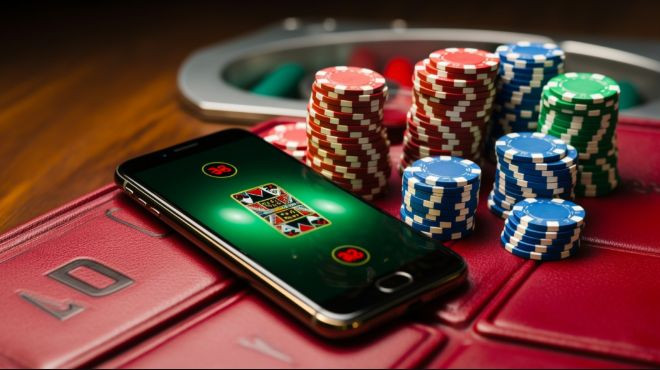
This psychological phenomenon explains why many individuals return to casinos despite past losses. The excitement generated by potential wins often overshadows the risks involved. For some, the thrill of the game is a significant motivator, allowing them to escape daily stressors. It’s the blend of anticipation and the chance for an instant reward that creates a compelling draw to casino environments.
Moreover, this desire for excitement is enhanced by the sensory stimuli in casinos—bright lights, sounds, and even the environment itself contribute to an exhilarating experience. Each spin of a slot machine or deal at a card table carries a promise of potential triumph, making it difficult for players to resist the call of the casino floor.
The Role of Social Interaction
Another crucial psychological factor driving people to gamble is social interaction. Many gamblers enjoy the communal experience found in casinos, where they can connect with others. This sense of belonging can be a powerful motivator, as people are drawn to shared experiences and collective excitement. Engaging with fellow players can enhance the enjoyment of the game, creating a social atmosphere that fuels further gambling.
Moreover, casinos often cultivate environments that promote socializing, with bars, lounges, and restaurants located on-site. Players can easily transition from gaming to social interactions, blurring the line between gaming and leisure. This integration further enhances the gambling experience, making it more appealing to those who crave connection and camaraderie.
Additionally, the influence of friends and family can significantly impact gambling behavior. Many individuals may feel encouraged to gamble by peers or might even choose to visit casinos as a social outing. These interactions can amplify the urge to gamble, as social validation and support can minimize the perceived risks associated with the activity.
Escapism and Coping Mechanisms
The psychological factors driving people to gamble often include the pursuit of escapism. Many individuals turn to gambling as a means of escaping the pressures of daily life, such as work stress, financial worries, or personal problems. In the dim, vibrant lights of a casino, players can momentarily forget their troubles. This form of escape becomes particularly appealing when individuals feel overwhelmed.
Furthermore, gambling can serve as a coping mechanism for underlying emotional or psychological issues. Some gamblers may find solace in the distraction that gaming provides. This behavior can lead to a reliance on gambling to manage feelings of anxiety, depression, or loneliness, creating a cycle where individuals increasingly seek out casinos for comfort.
While escapism can provide short-term relief, it often leads to long-term consequences. As individuals increasingly rely on gambling as an outlet for their problems, they may face escalating financial losses or strained relationships. Understanding this psychological need for escape is vital, as it can help develop healthier coping strategies and address the root causes of gambling behavior.
The Illusion of Control
The belief in personal control over gambling outcomes significantly affects players’ decisions. Many gamblers operate under the illusion that they can influence the outcome of games through skill or strategy. This misconception can lead to increased gambling behavior, as individuals mistakenly believe that luck or skill can tip the odds in their favor.
Casinos often capitalize on this belief by offering games that mix chance with elements of skill, such as poker and blackjack. Players may convince themselves that they can improve their odds through practice and knowledge. This false sense of mastery can create a compelling reason to gamble, as players feel empowered by their perceived ability to control outcomes.
However, the reality is that most casino games are based on chance, and the house typically holds an advantage. Acknowledging this distinction is crucial for responsible gambling. Awareness of the illusion of control can help individuals make more informed decisions about their gambling habits, reducing the risks of developing problematic behaviors.
KingHills Casino: A Responsible Gaming Environment
KingHills Casino understands the psychological factors that can drive individuals to gamble and prioritizes player safety and responsible gaming. The platform emphasizes the importance of informed and safe gambling practices. Users can access resources and support for any gambling-related concerns, ensuring a positive gaming experience.
Moreover, KingHills Casino offers a wide range of games, catering to various preferences while promoting responsible betting limits. This approach encourages players to enjoy their gaming experience without overstepping personal or financial boundaries. The casino’s dedication to player well-being makes it a reputable choice for those looking to explore online gaming.
By fostering an environment of safety and support, KingHills Casino helps players understand the psychological factors at play and encourages responsible gambling habits. The casino recognizes that while gaming can be a form of entertainment, it is essential to approach it with awareness and caution to maintain a healthy balance in life.
